Introduction
For years, coding interviews have followed a familiar pattern.
Candidates solve algorithmic problems, optimize time complexity, and explain their thought process while writing code on a whiteboard or in an online editor. Companies have relied on these interviews to evaluate technical ability and problem-solving skills.
But software development has changed dramatically.
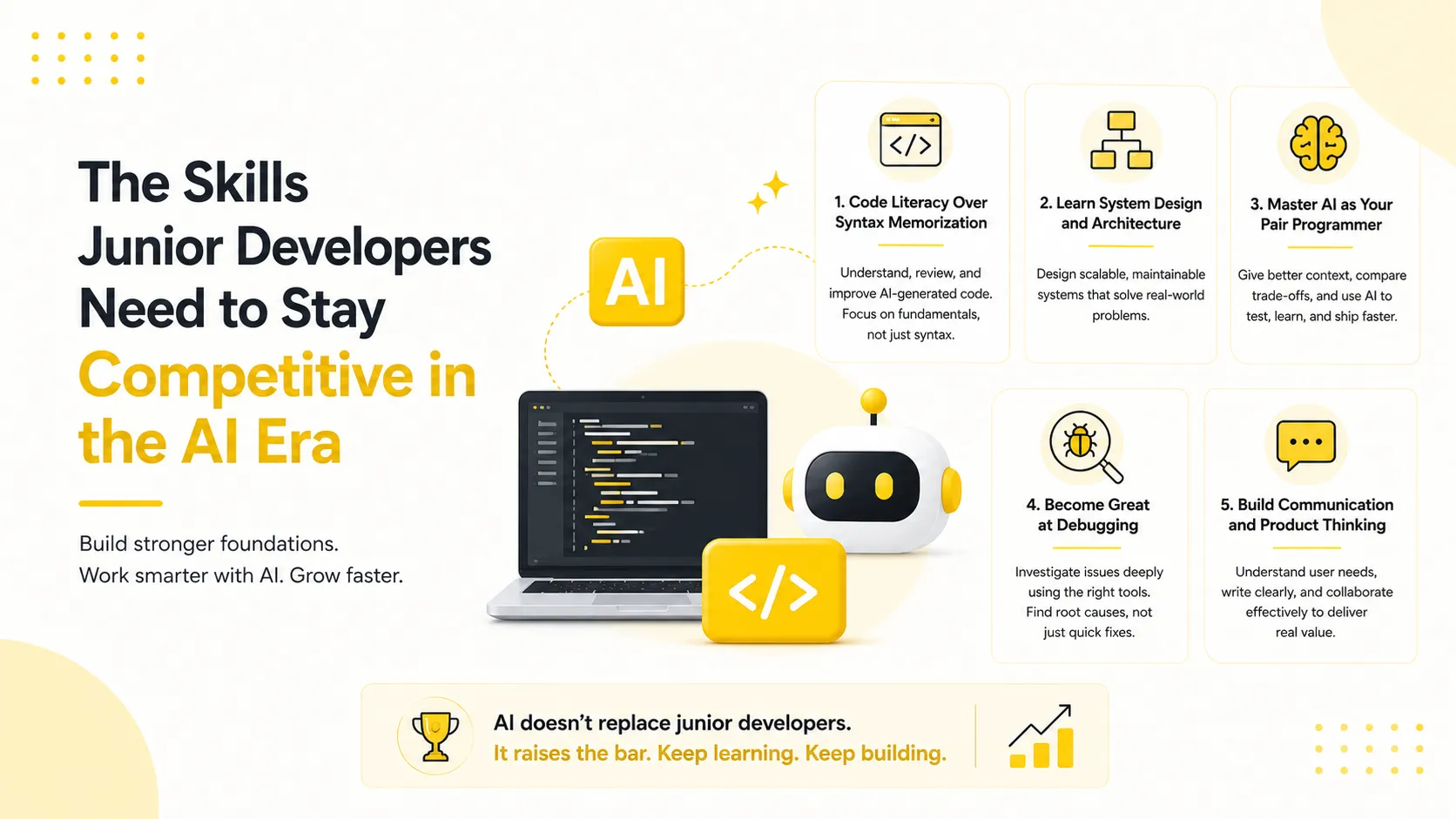
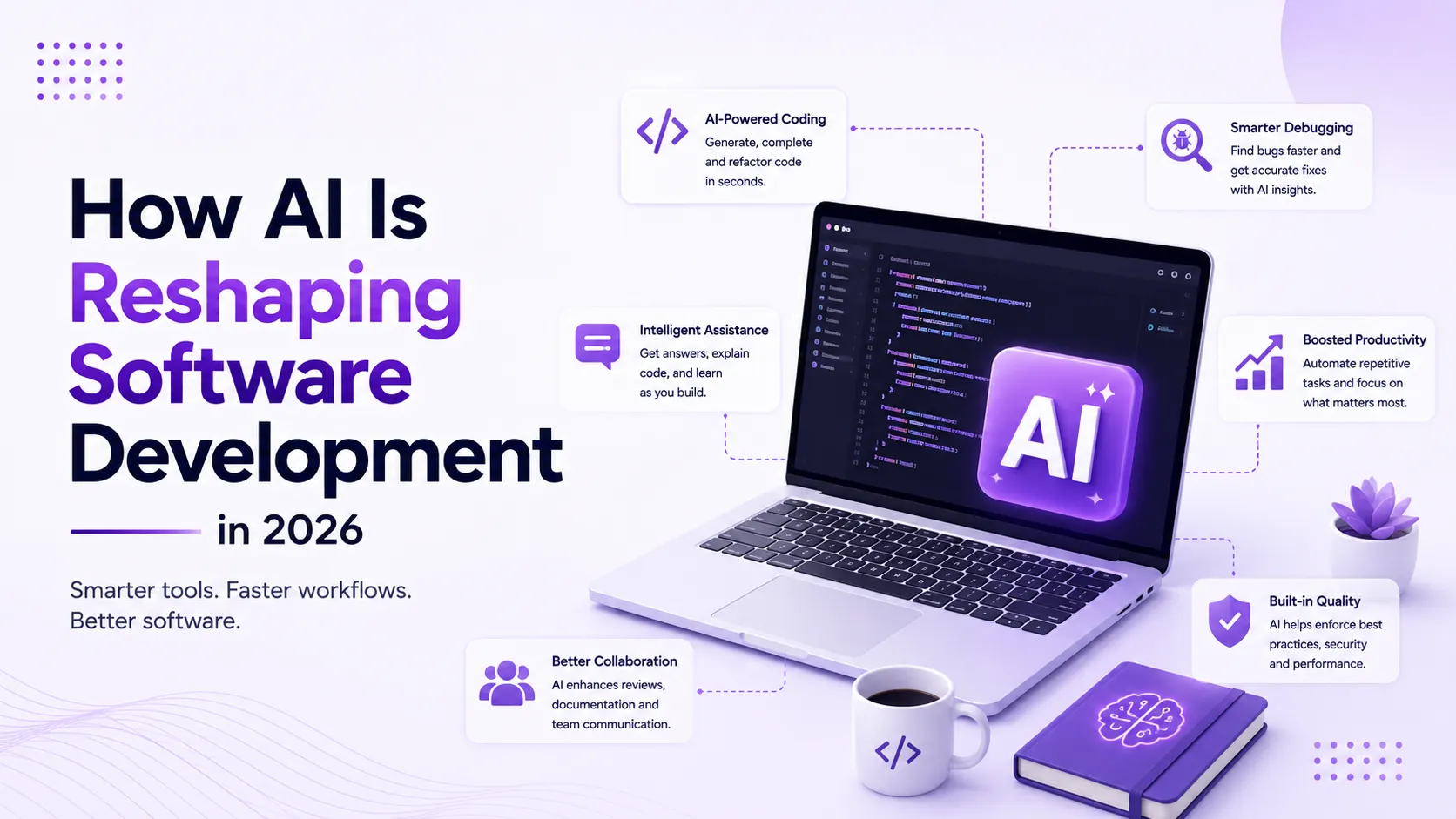
Today, many engineers use AI coding assistants as part of their daily workflow. They spend less time writing every line of code manually and more time reviewing AI-generated solutions, designing systems, debugging complex issues, and making architectural decisions.
This raises an important question:
Are coding interviews keeping up with the way software engineering actually works?
Is LeetCode Still Relevant?
LeetCode-style problems are excellent for evaluating algorithmic thinking and a candidate’s understanding of data structures.
They test fundamental computer science concepts that remain valuable.
However, most software engineers rarely solve binary tree or graph problems as part of their daily work.
Instead, they spend their time:
- Designing APIs
- Debugging production issues
- Reviewing pull requests
- Understanding business requirements
- Working with distributed systems
- Collaborating with teammates
LeetCode measures one aspect of engineering, but it doesn’t capture the full picture.
Should AI Be Allowed?
A few years ago, using AI during an interview would have been considered unfair.
Today, it’s becoming part of how developers work every day.
Rather than asking candidates to avoid AI completely, companies could evaluate how they use it.
For example:
- Do they write clear prompts?
- Can they identify incorrect AI-generated code?
- Do they verify security and performance?
- Can they explain why they accepted or rejected a suggestion?
Knowing how to collaborate with AI is quickly becoming a practical engineering skill.
Architecture Matters More Than Ever
Writing code is only one part of building software.
Good engineers also make decisions about scalability, maintainability, security, and reliability.
An interview that asks a candidate to design a URL shortener, an e-commerce system, or a notification service often reveals more about their engineering ability than solving a complex algorithm under time pressure.
Architecture interviews help assess how candidates think about trade-offs rather than just syntax.
Problem Solving Goes Beyond Coding
The best engineers aren’t simply good programmers — they’re effective problem solvers.
Real-world engineering often begins with questions like:
- What is the actual problem?
- What constraints should we consider?
- What are the trade-offs?
- What happens if this solution fails?
- How will it scale over time?
These questions require judgment, communication, and critical thinking — skills that are difficult to measure with coding challenges alone.
AI Collaboration Is Becoming a Valuable Skill
Modern software development is increasingly collaborative — not just with people, but with AI.
A strong engineer knows how to:
- Provide meaningful context
- Review AI-generated code
- Catch logical errors
- Improve generated solutions
- Decide when not to use AI
The ability to guide AI effectively may soon become as important as writing code from scratch.
What Should Coding Interviews Measure?
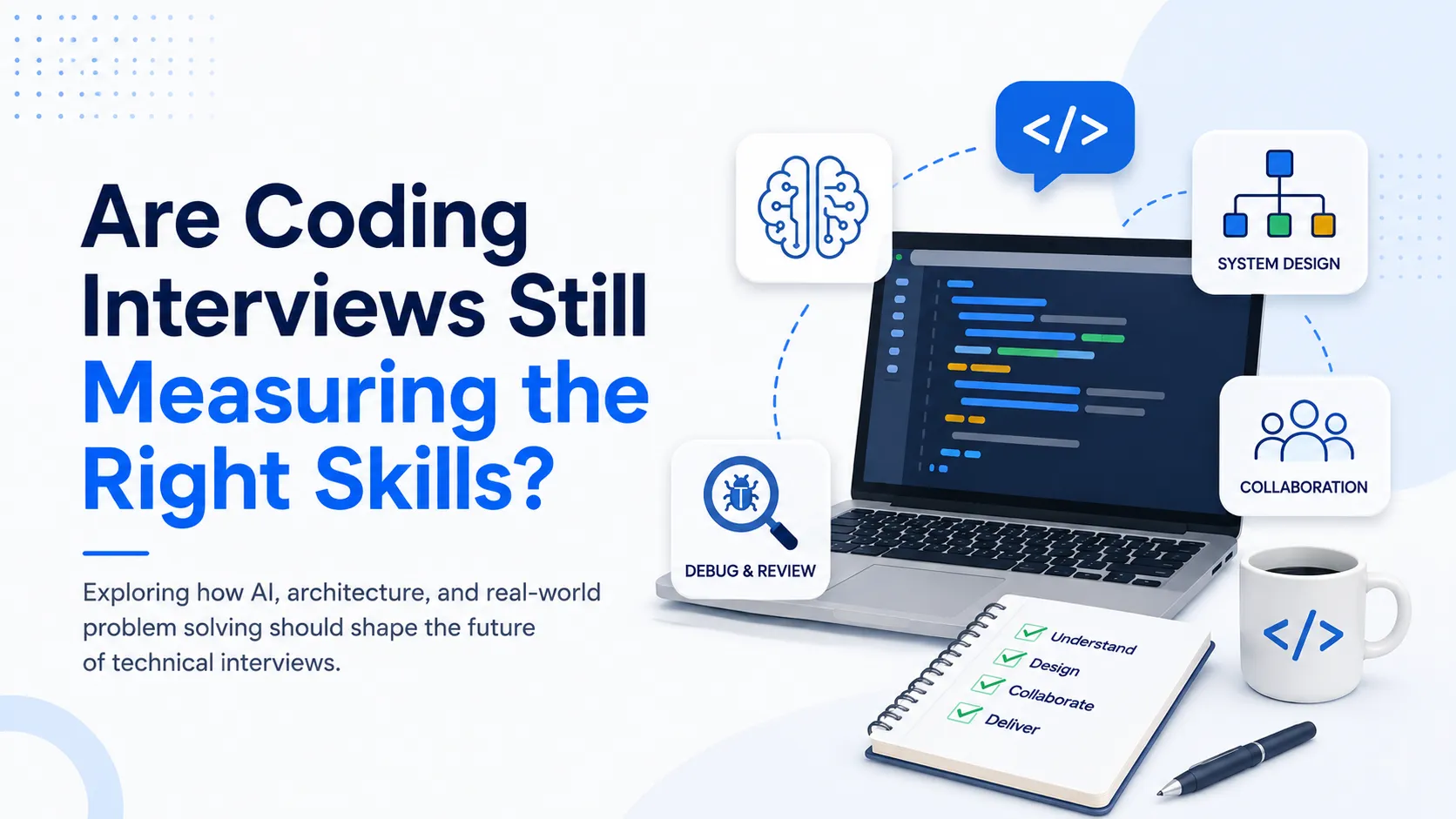
Instead of relying on a single coding challenge, interviews could evaluate a broader set of skills, including:
- Programming fundamentals
- Problem-solving ability
- System design and architecture
- Debugging and code review
- Communication and collaboration
- Effective use of AI tools
This approach reflects the skills engineers use in their day-to-day work and provides a more complete picture of their abilities.
Conclusion
Coding interviews aren’t outdated, but they are evolving.
Algorithmic thinking will always have value, and understanding computer science fundamentals remains important. However, modern software engineering requires much more than solving coding puzzles.
Engineers are expected to design systems, make architectural decisions, communicate clearly, review code, and collaborate effectively with AI-powered tools.
As the industry continues to change, hiring processes should evolve alongside it.
The goal shouldn’t be to find candidates who can solve the hardest algorithm in 30 minutes.
It should be to identify engineers who can build reliable software, solve real-world problems, and adapt to the way software development is evolving.