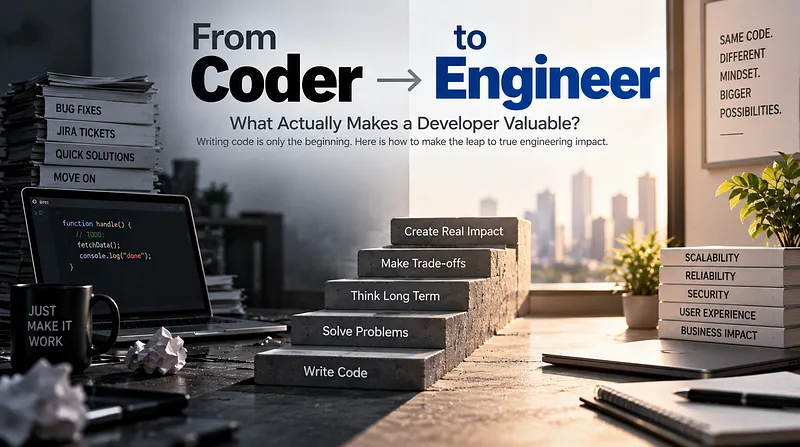
Writing code is only the beginning. Here is how to make the leap to true engineering impact.
You fix the bug. The page loads. The API returns a clean 200 OK. Feature deployed. Done.
There is a simple, highly addictive satisfaction in making things work early in your career. But eventually, the real world hits.
The feature works, but it’s painfully slow. The code is a labyrinth that the next developer will dread opening. A tiny CSS change breaks the checkout flow. The database bill spikes. And users? They start doing things with your app that you never could have anticipated.
This is the exact moment software development transforms into software engineering.
The Trap of the “Done” Ticket
A developer is given a requirement and turns it into working code. They focus on the immediate task.
An engineer goes one step further. They ask what the requirement actually means.
Imagine a team tasked with building a notification system.
The developer approach: Build exactly what’s on the Jira ticket. Send the notification when triggered. Close the ticket.
The engineer approach: Ask the uncomfortable questions before a single line of code is written.
“What happens if the same notification triggers twice? What if the user is offline? Do we need a retry mechanism? How will this scale when user traffic grows tenfold next month?”
None of these questions are in the original ticket. But they determine whether the feature survives its first week in production.
Coding solves the immediate task. Engineering protects the future.
Good Engineers Know When Not to Build
One of the most expensive mistakes a team can make is spending weeks building something they could have bought, integrated, or skipped entirely.
The ability to build anything is not a license to build everything.
True engineering maturity is recognizing when a problem does not need more custom code. Every line of code you write is a liability — it must be tested, maintained, and debugged.
If an existing service or a simpler workflow does the job, use it. Save your engineering hours for the unique, core problems that actually differentiate your product in the market.
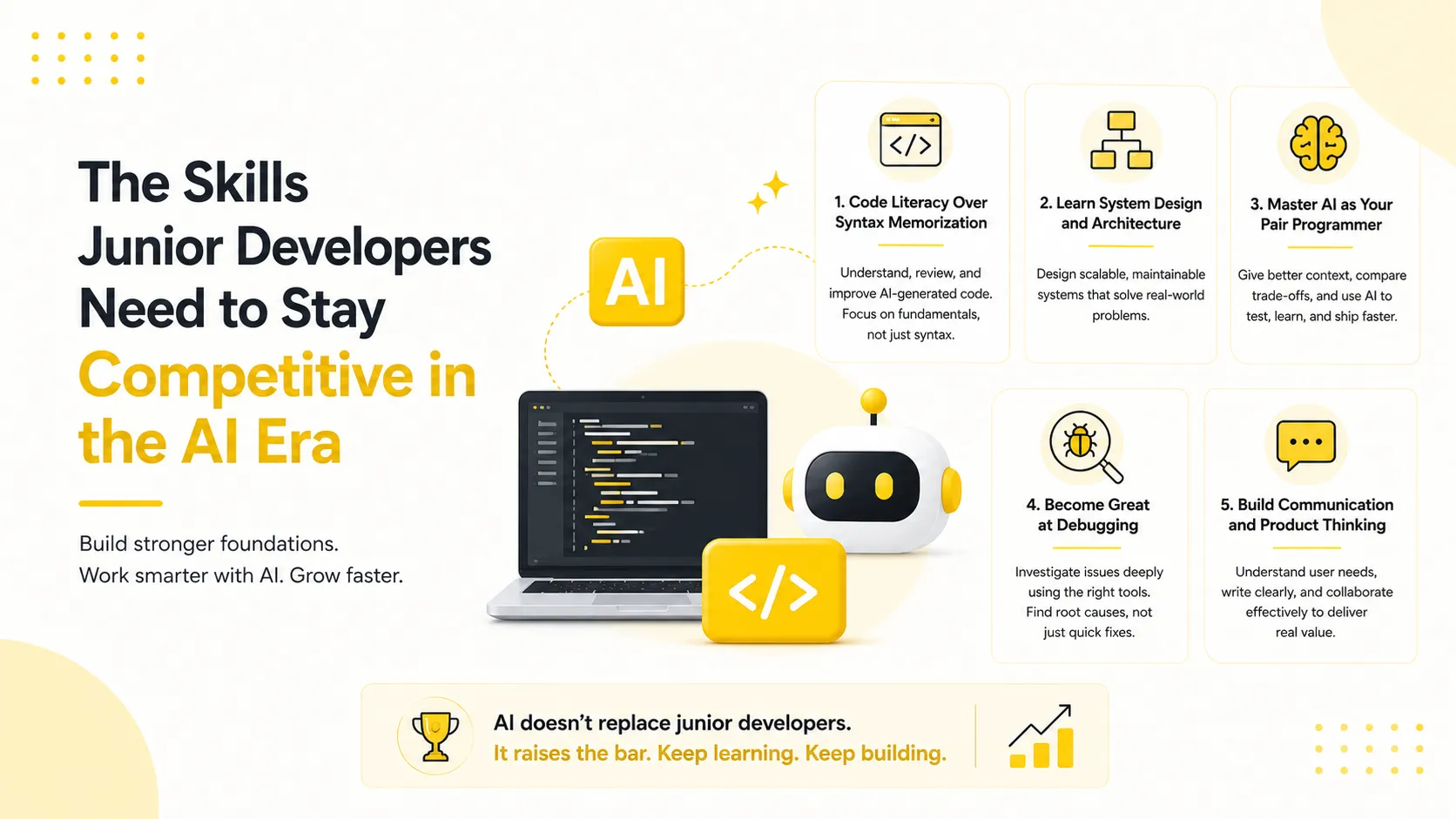
The AI Shift: Where the Value Sits Now
Let’s address the elephant in the room: AI has changed the game.
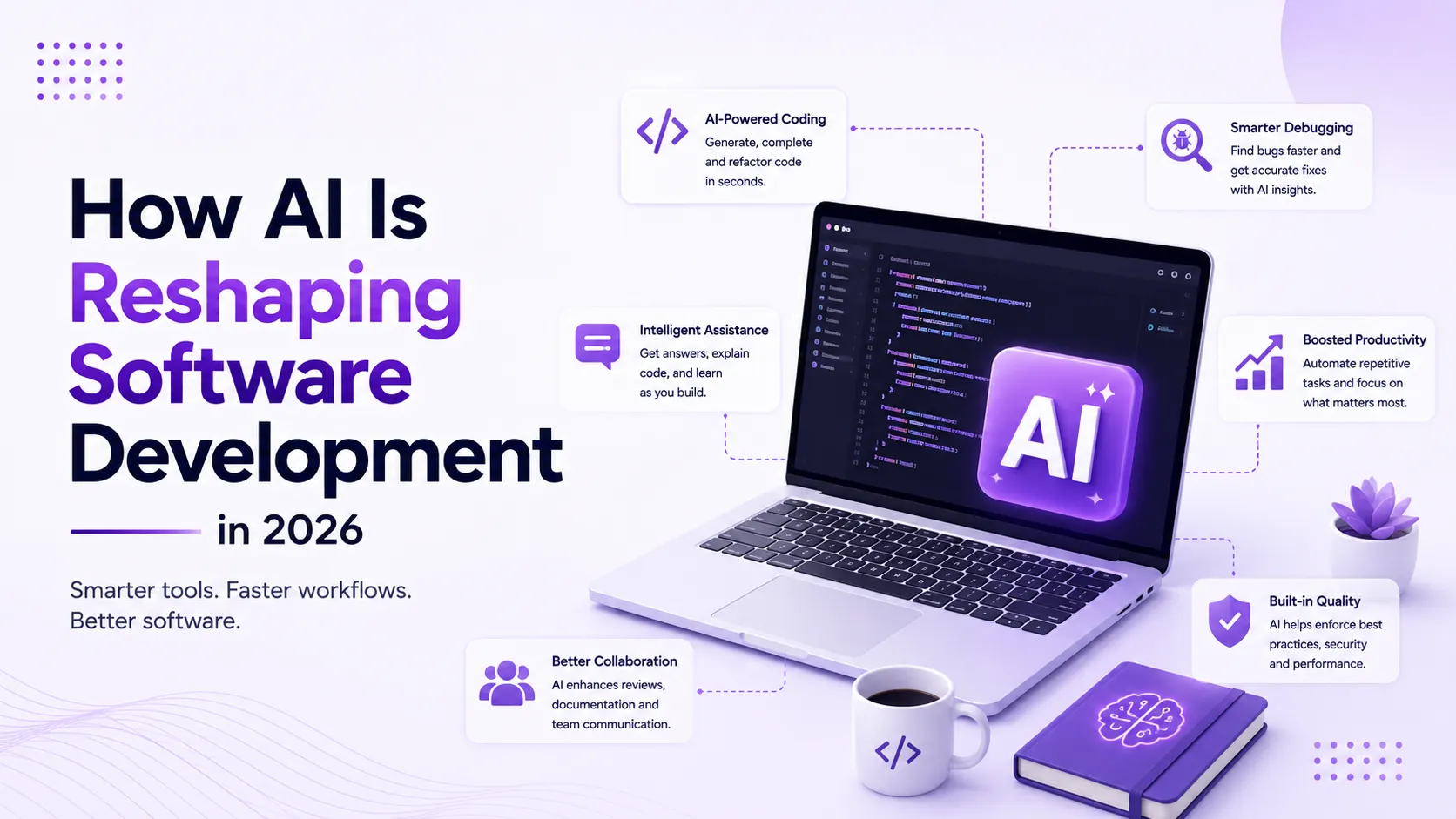
Generating code is now trivial. An AI assistant can draft an API, write a test suite, or suggest a component in seconds.
But this hasn’t made engineering obsolete. It has just moved the goalposts.
If AI can spit out ten different ways to implement a feature, who decides which one belongs in production?
Is it secure?
Will it scale under load?
Is it actually maintainable for the next developer?
Does it solve the real human problem, or just the literal prompt?
The developer who relies only on generating code is easily replaced. The engineer who can critically analyze, review, and orchestrate those solutions becomes indispensable.
Ownership is the Real Leap
The absolute clearest distinction between a coder and an engineer comes down to a single mental shift: ownership.
A coder says: “I completed the ticket. It worked on my local machine.”
An engineer asks: “Did we actually solve the problem for the user?”
This mindset changes everything. You start caring about what happens after deployment. You watch the error logs. You talk to customer support. You fix recurring root causes instead of repeatedly patching symptoms.
You stop measuring your success by the volume of code you write, and start measuring it by the value that code creates.
The Real Journey
Becoming an engineer doesn’t happen when you get a promotion or hit a specific year of experience. It happens gradually.
It happens when you start questioning requirements instead of blindly executing them. It happens when you prioritize simplicity over cleverness. It happens when you become comfortable saying, “I don’t know yet, but I will find out.”
The tech industry doesn’t need more people who can just write code. It needs engineers who understand the problem, make the hard trade-offs, and take responsibility for the outcome.
Which step of this transition has been the hardest for you to make? Let’s talk about it in the comments below!